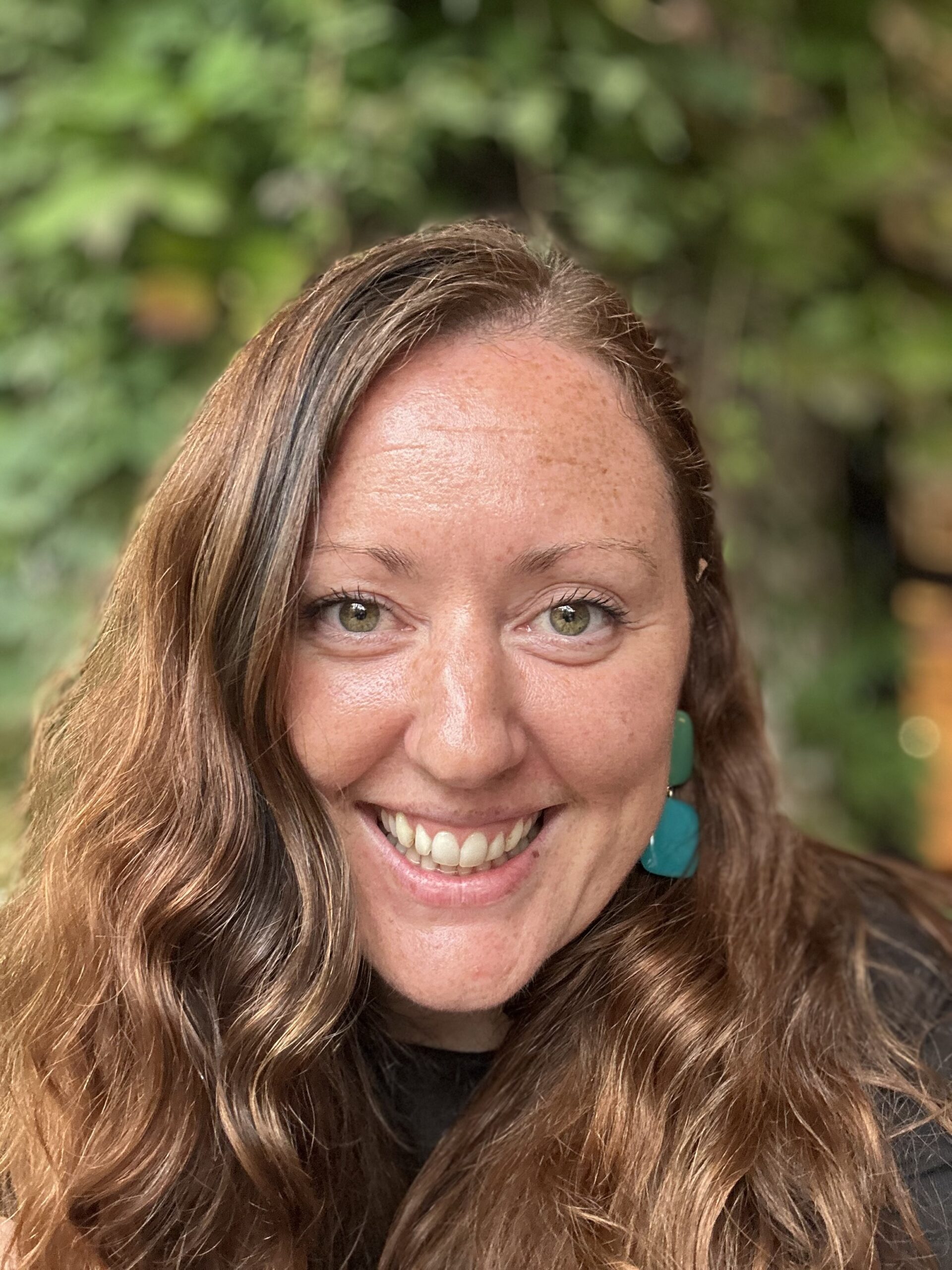
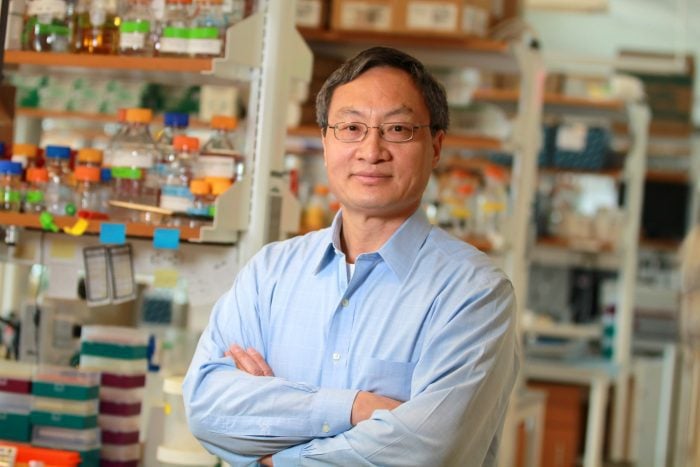
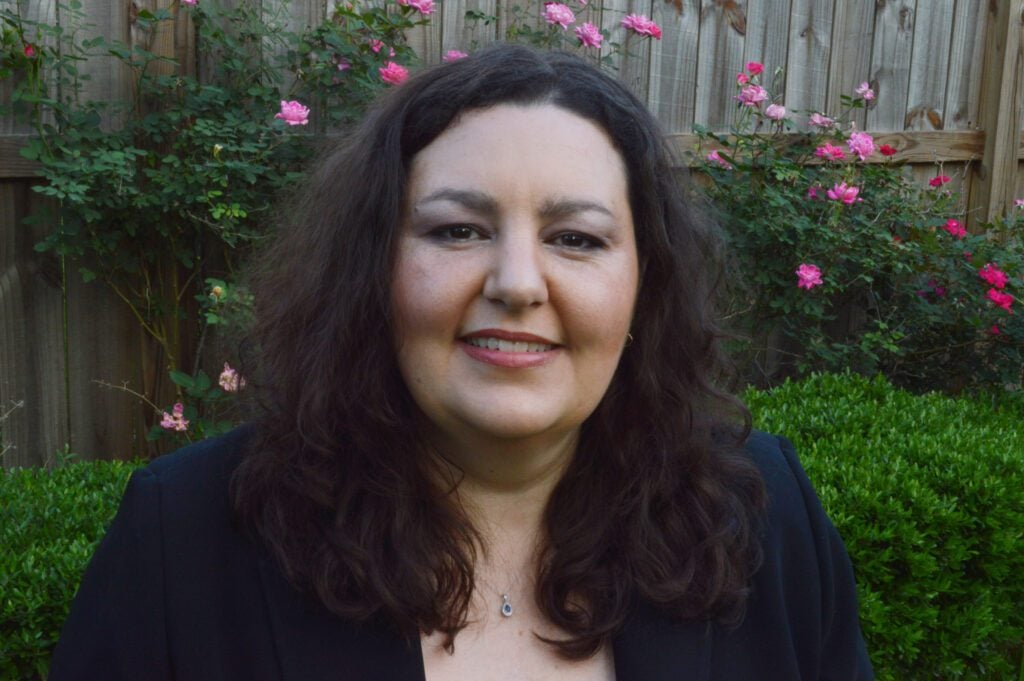
The next generation of ALS and frontotemporal dementia (FTD) investigators is taking shape. Today, Target ALS is announcing the 2025 Springboard Fellows whose work will follow them into their first independent laboratories.
The Springboard Fellowship was created to support senior postdoctoral fellows as they take the critical next step toward establishing independent laboratories. This year’s awardees exemplify the curiosity, rigor, and ambition that drive breakthroughs in understanding ALS biology.
Each selected project tackles a fundamental question at the heart of ALS and FTD, from uncovering mechanisms behind TDP-43 pathology to deciphering synaptic vulnerability, immune system involvement, and the effects of aging on motor neuron health. These are the areas where deeper biological insight can inspire the next generation of therapeutic strategies, and this fellowship is designed to give talented scientists the resources and runway to pursue them.
The Springboard Fellowship provides up to three years of funding, access to Target ALS core facilities, and a platform to present at the Target ALS Annual Meeting. Most importantly, it gives early-career investigators the support they need to carry their work with them as they transition into independent roles.
Their research represents fresh thinking, bold questions and a deep commitment to uncovering mechanisms that can change the trajectory of disease. Below, meet the scientists and the projects we’re proud to champion as they take this next step toward independence.
Lindsay Goodman, Baylor College of Medicine
Project: Does the disruption of lipid droplets by glial Tau and TDP-43 drive ALS/FTD?
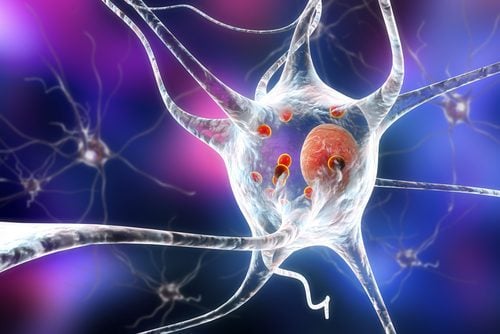
ALS and FTD often overlap, and both are marked by TDP-43 protein problems that damage neurons. Another protein, Tau, is also implicated in some ALS/FTD cases, where it becomes abnormally modified and disrupts how cells manage harmful lipids. When neurons produce too much oxidative stress, they generate toxic lipid byproducts that normally get handed off to glial cells to clean up. Early evidence shows this cleanup system breaks down in ALS/FTD, leading to dangerous lipid buildup. Dr. Goodman is testing whether ALS-linked Tau variants interfere with this process and whether TDP-43 loss in glia makes the lipid damage worse. Using humanized fly models, she will identify which Tau variants disrupt this detox system and how TDP-43 problems contribute to glial toxicity and lipid accumulation. Her work could point to new lipid-based biomarkers and reveal glial lipid droplets as a potential therapeutic target for ALS/FTD.
Lindsay Becker, Princeton University
Mapping mRNA microenvironments to reveal mechanisms of TDP-43 toxicity rescue
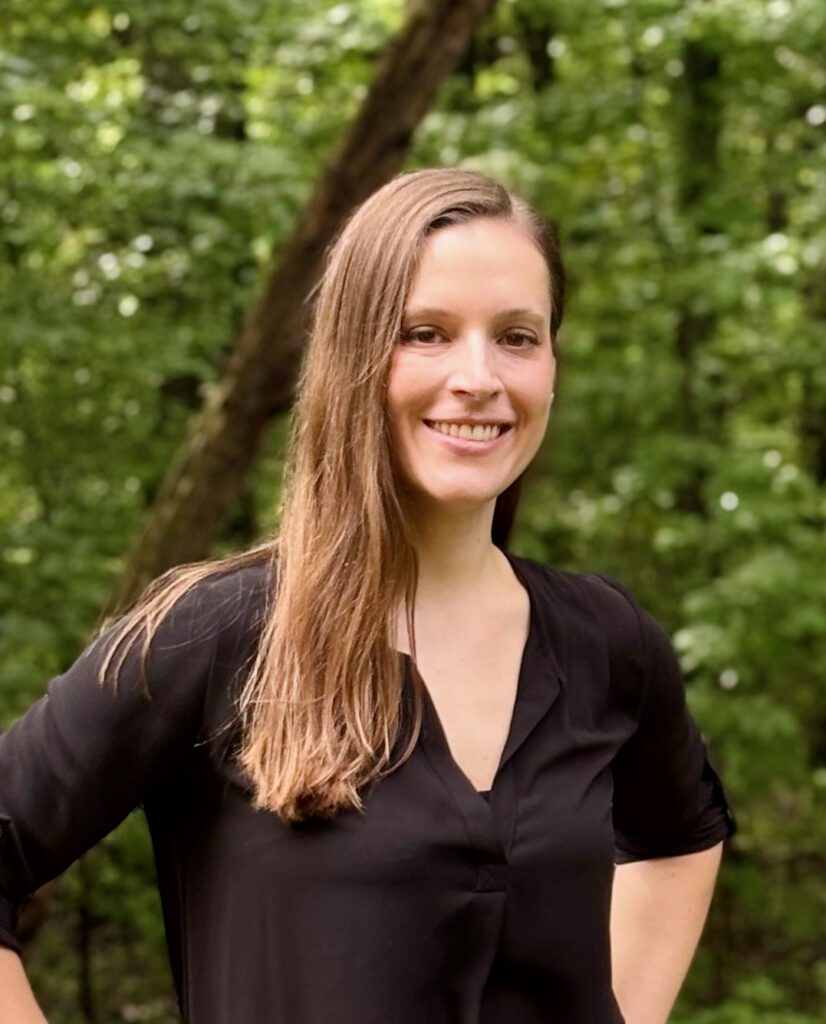
In most people with ALS, a protein called TDP-43 stops doing its normal job of helping cells move and use RNA, the instructions for protein synthesis. When TDP-43 gets stuck in the wrong place within the cell, the RNA network becomes disorganized, leading to harmful interactions and, ultimately, neuron damage. Dr. Becker is studying how to restore this balance. She will use an advanced mapping tool to see exactly how RNA and its partner proteins behave inside neurons affected by TDP-43 problems. By identifying which RNAs are most vulnerable and which genes can rescue damaged cells, her work aims to pinpoint the molecular switches that could reverse this toxicity. This approach could open the door to new treatment strategies that help neurons regain healthy RNA regulation and resist degeneration.
Yi Zeng, Stanford University
Defining the multi-faceted role of TDP-43 in RNA metabolism in amyotrophic lateral sclerosis
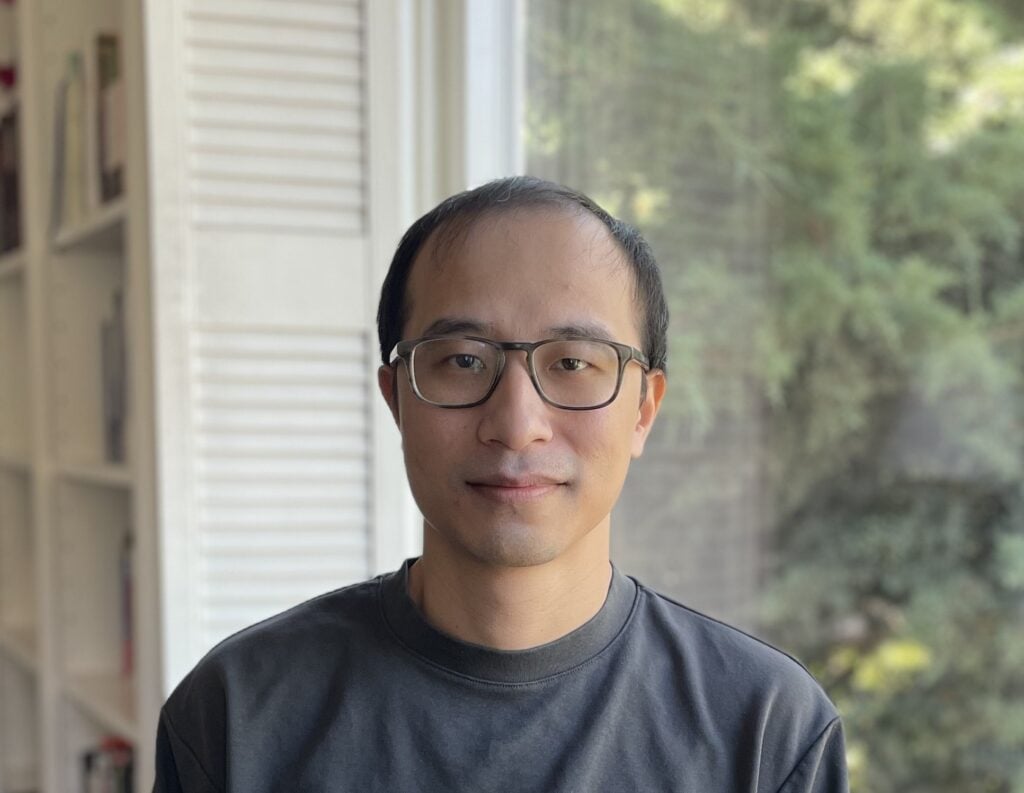
A major driver of ALS is the loss of TDP-43 from the cell’s nucleus and its buildup into toxic clumps. When this happens, TDP-43 can no longer manage RNA correctly, leading to mistakes in how important proteins are made, how RNA is processed, and where it ends up inside the cell. These errors stack on top of each other and create a chain reaction that harms vulnerable neurons. Dr. Zeng is working to map this entire cascade in detail. Using stem-cell-derived human neurons and ALS patient tissue, his team will measure how TDP-43-related RNA changes affect cell health, which cell types are most vulnerable and which RNA mistakes drive the most damage. He will also identify proteins that regulate TDP-43 activity and the complexes it forms with RNA. This work aims to reveal early biomarkers of disease and uncover new targets for next-generation ALS therapies.
Chloe Lopez-Lee, Icahn School of Mount Sinai
Project: Uncovering Mechanisms of the Immunovascular Axis in Resilience Against ALS Pathologies
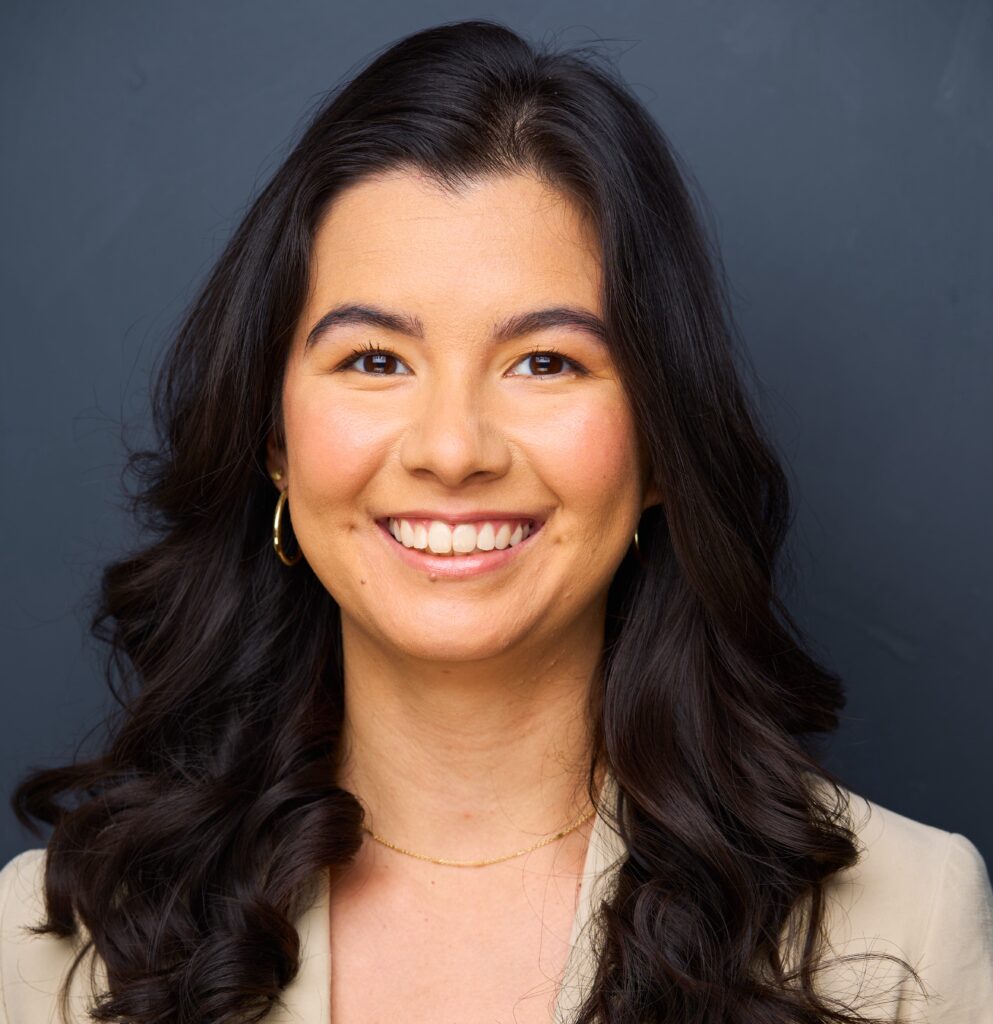
While most ALS research focuses on the well-known problem of TDP-43 protein buildup, scientists are learning that damage to the brain’s blood vessels also plays a major role in the disease. People with ALS often show blood-brain barrier leaks, inflammation in the cells lining blood vessels, and signs that the immune system and vascular system are tightly linked in the disease process. A rare genetic variant in a protein called CREB3 appears to strengthen vascular health and even lowers ALS risk by about 40 percent, which has opened up an exciting new path for investigation. Dr. Lopez-Lee is studying whether this protective CREB3 variant can help neurons, microglia, and endothelial cells withstand the harmful effects of TDP-43. Using donated ALS brain tissue from the Target ALS Postmortem Tissue Core and stem cell-derived human cell models, she will identify which vascular proteins provide resilience and test whether boosting CREB3 can restore healthy immune and vascular function. She will then evaluate this protective effect in an ALS mouse model. This work could point to entirely new treatments that strengthen the brain’s vascular system and reduce the damage triggered by TDP-43.
Julie Smeyers, University of California San Francisco
Project: Identification of New Targets to Modulate TBK1 Kinase Activity in ALS
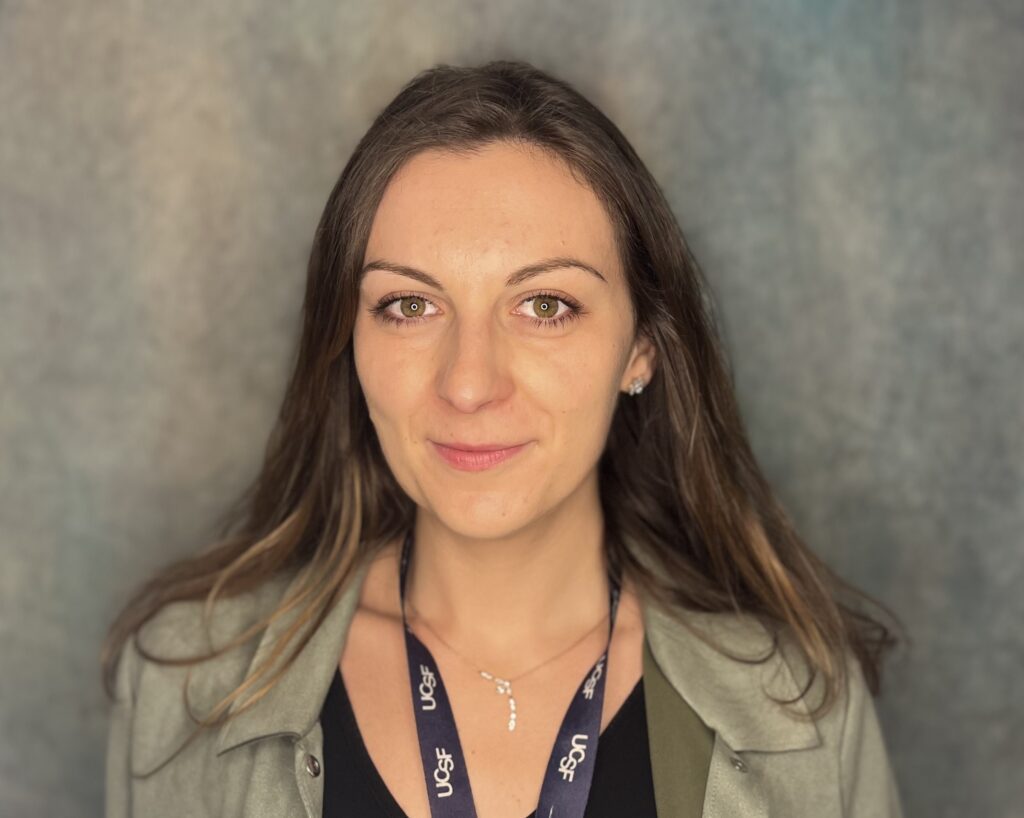
Cells stay healthy by constantly replacing, repairing, or recycle damaged proteins, a process known as proteostasis. In ALS and FTD, this system breaks down, in part because TDP-43 forms toxic clumps that block the cell’s ability to recycle waste. Several genes linked to ALS, including C9orf72 and TBK1, disrupt this recycling pathway and microglia, the brain’s immune cells. Dr. Smeyers is studying TBK1, a key protein that connects the cell’s cleanup system with immune signaling, to understand how its loss contributes to neurodegeneration. Her team has already identified a promising TBK1 target called NCOA7, which helps control lysosomes, the cell’s waste-processing centers, and interacts with another protein elevated in ALS. Using human stem cell-derived neurons and microglia, as well as patient tissue, Dr. Smeyers will map how TBK1 normally works, how ALS-linked TBK1 mutations change protein recycling and immune responses, and how these changes worsen TDP-43 pathology. Her findings could reveal new biomarkers and therapeutic targets for both familial and sporadic ALS.
About our Review Process
At Target ALS, we hold fairness and transparency paramount in our review process. The Target ALS Independent Review Committee (IRC) makes all research funding decisions without involvement from the organization’s staff or leadership, ensuring every application receives a fair evaluation. The IRC is comprised of experts across scientific disciplines from both industry and academia, reflecting the evolving nature of ALS research. To avoid any possible conflicts of interest, no member of the IRC can apply for or receive Target ALS funding for their own work. Members on the IRC abide by a comprehensive conflict of interest policy and are all under confidentiality agreements.
Our Vision and Commitment
At Target ALS, our vision is to realize a world where everyone lives. We are driven by a sense of urgency, knowing that every day counts for people diagnosed with ALS. Currently, there are no treatments on the market that promise to make sporadic ALS a manageable disease. We are committed to funding cutting-edge research and fostering collaborations that will bring us closer to effective treatments for all forms of ALS.
Together, we continue to strive for a future where ALS is no longer a life-threatening diagnosis. Thank you to all the applicants for their dedication and hard work. For more detailed information about our grants and the application process, please visit our Grants page.